Free desktop site assessment
Could padel work on your site?
Send us your site and Build & Padel will give you an initial desktop view of its potential for padel — including space, layout, access and obvious site constraints.
It's a simple first step before committing to a full feasibility study, planning work or construction costs.
UK construction experience • Padel specialists • Straight-talking advice
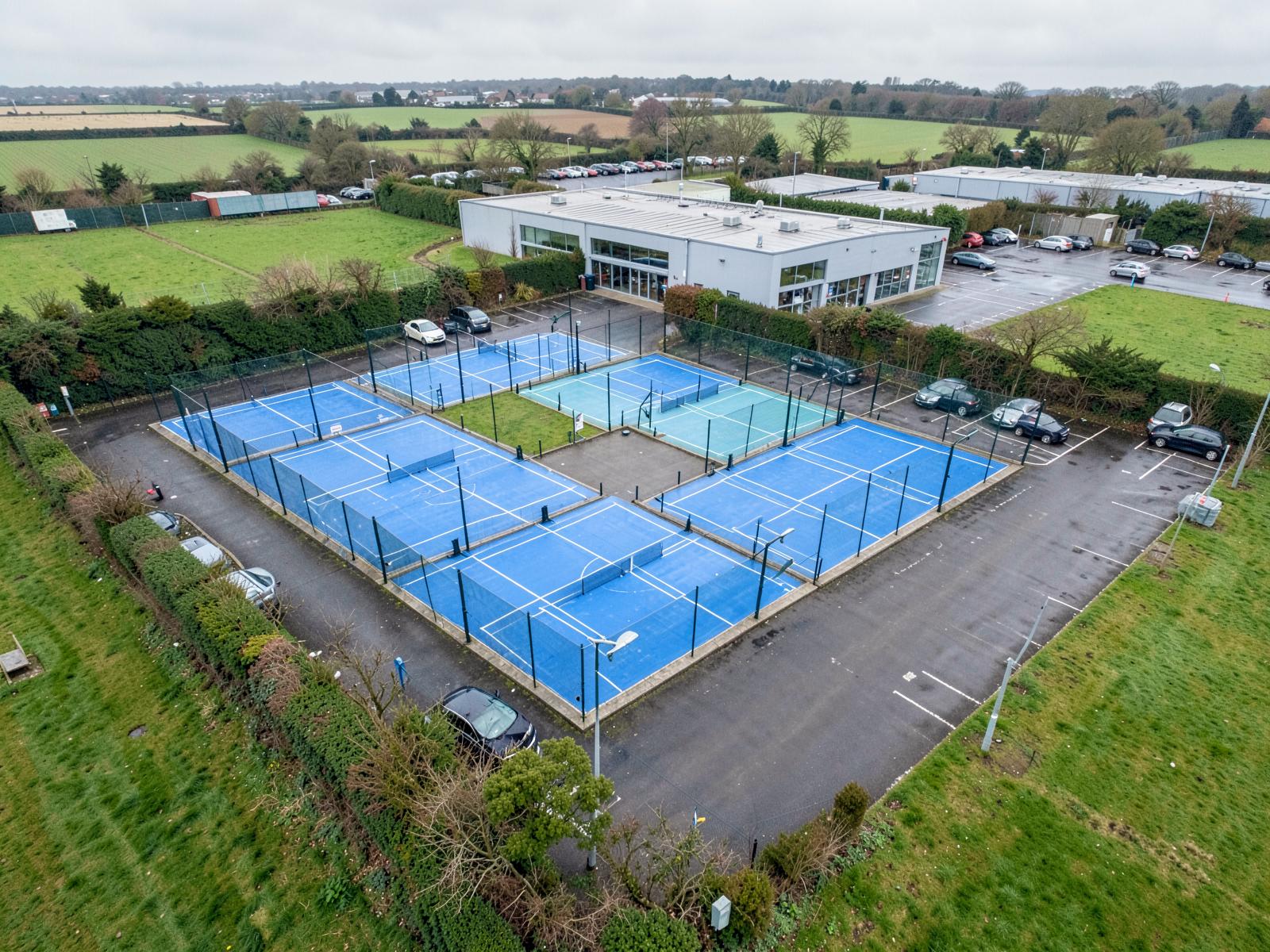
You've got a site. But could padel actually work there?
Whether you have an unused corner of a commercial site, surplus sports land, an existing tennis facility, hotel grounds or a larger development opportunity, the first question is the same: could padel realistically work here?
Looking at a site on a map and thinking "there seems to be enough room" is only the beginning. Successful padel development depends on a good deal more than court dimensions.
Space
Can the required number of courts fit while allowing sensible circulation, access and operational space?
Access
Can players, staff and construction vehicles realistically access the proposed area?
Planning context
Are there obvious planning considerations relating to the site, surrounding uses, buildings or residential neighbours?
Ground conditions
Could drainage, levels, excavation or ground conditions materially affect development costs?
Neighbours
Could nearby homes or other sensitive uses create noise, lighting or operating considerations?
Layout
Would the courts actually work operationally rather than simply fitting physically?
Commercial potential
Does the location appear capable of supporting the type and scale of padel development being considered?
We deal in initial views, obvious constraints and whether something looks worth investigating — not definitive conclusions from a desktop exercise.
What is a padel site assessment?
A desktop site assessment is an initial review of your site using the information you provide alongside publicly available mapping, aerial imagery and other relevant information.
The objective isn't to replace a professional feasibility study. It's to answer a much simpler question first:
"Does this look like a site worth investigating further?"
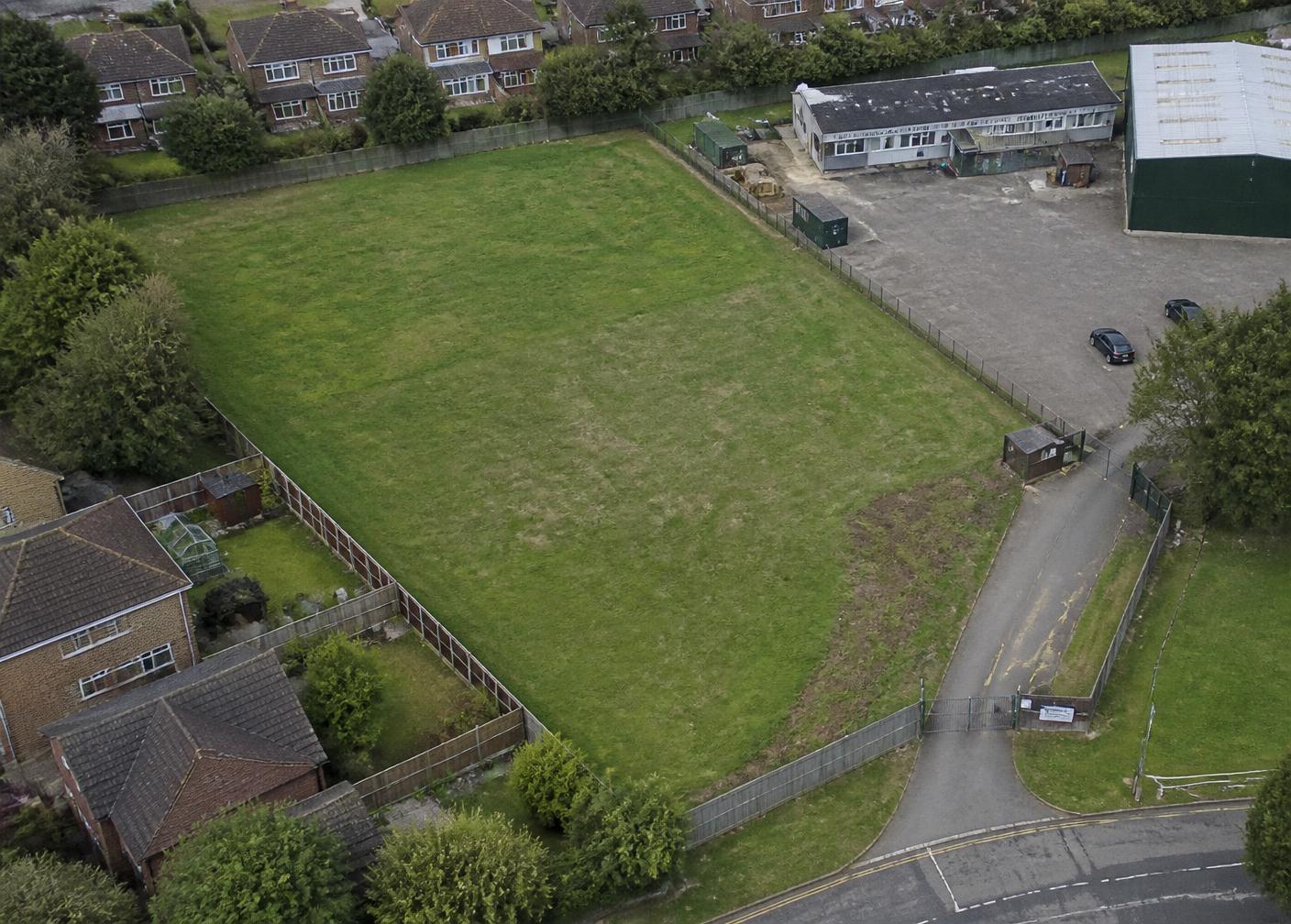
What we look at
The things that decide whether a padel site is worth pursuing
Available space
Approximate developable area and potential court configurations.
Court configuration
Whether one, two, three, four or more courts may potentially fit.
Access
Initial consideration of vehicle, pedestrian and construction access.
Surrounding properties
Potential relationships with neighbouring residential, commercial and leisure uses.
Planning context
Obvious planning considerations that may affect whether further work is worthwhile.
Site constraints
Visible buildings, roads, boundaries, levels, vegetation, utilities or other obvious constraints.
Indoor vs outdoor
Whether the site appears more suited to outdoor courts, covered courts or an indoor solution.
Next-stage potential
Whether the site looks promising enough to justify a detailed feasibility and planning exercise.
What a free desktop assessment doesn't tell you
The purpose is simple: identify whether there appears to be a credible opportunity before you spend money investigating a site in detail. It is not a substitute for the professional work that follows.
- A planning application
- Planning permission
- A measured land survey
- A topographical survey
- A ground investigation
- A drainage survey
- A noise assessment
- An ecological assessment
- A highways assessment
- A structural assessment
- A full development appraisal
- A guaranteed court layout
- A guaranteed construction price
- A guarantee that planning permission will be granted
Types of site we're asked about
Potential opportunity — subject to site, planning and commercial assessment.
Existing sports club
Could unused tennis, rugby or football land support additional padel courts?
Hotel
Could padel create an additional leisure proposition for guests and local members?
Commercial property
Could underused external space become a revenue-generating leisure asset?
Development land
Could padel form part of a larger leisure or mixed-use development?
Golf club
Could surplus or underused land support a complementary racquet-sports offering?
Private / agricultural land
Could a larger site potentially accommodate a standalone padel development?
Why ask Build & Padel?
Construction-led. Manufacturer-agnostic. Built to last.
Construction-led
Build & Padel comes from a construction background, with more than 20 years of UK groundworks, agricultural builds, developments and fit-outs.
Manufacturer-agnostic
We aren't tied to one court manufacturer. The right solution should be based on the site, use case and budget.
Practical advice
If the site doesn't look right, we'll say so.
End-to-end capability
Where a site does have potential, Build & Padel can support the project through feasibility, planning, groundworks, court installation and delivery.
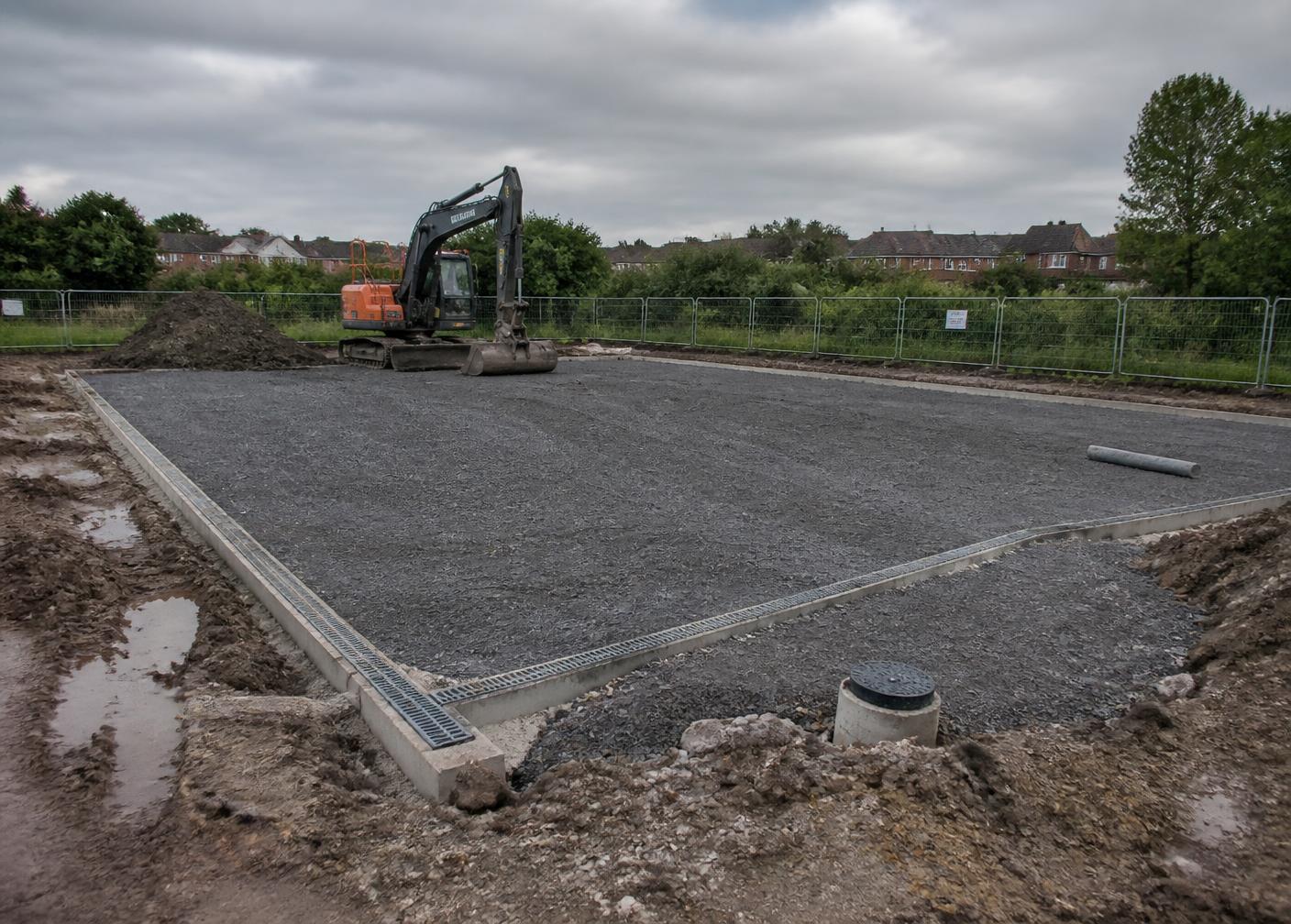
Fitting courts on a plan is not the same as making a site work.
A court may physically fit inside a boundary and the wider development still not work. Padel starts long before the court arrives — the base, drainage, levels and access usually decide whether a scheme is deliverable and at what cost.
When we look at a site, these are the sorts of things we're weighing up:
- Circulation
- Player access
- Maintenance access
- Emergency access
- Parking
- Lighting
- Drainage
- Neighbouring properties
- Noise
- Planning
- Ground levels
- Construction access
- Spectator areas
- Reception / club facilities
- Future expansion
How the assessment works
- 01
Send us your site
Submit your site location and a few details about what you're considering.
- 02
We review it
We look at the available site information, mapping, surrounding context and obvious constraints.
- 03
We give you an initial view
We'll tell you whether the site appears to have potential and whether we think it is worth taking to the next stage.
Send us your site
Tell us where the site is and what you're considering. We'll take an initial look and give you a practical view of its potential for padel.
If the site looks promising, what happens next?
If the desktop assessment suggests there is a credible opportunity, we can discuss whether a more detailed feasibility exercise makes sense. Not every project needs every stage.
- Stage 1
Free desktop site assessment
Initial view of whether the site appears worth investigating.
- Stage 2
Detailed feasibility
More detailed assessment of layout, site constraints, development requirements and likely project costs.
- Stage 3
Planning & design
Detailed drawings, specifications and planning support where required.
- Stage 4
Construction
Groundworks, court installation, lighting, drainage and associated works.
- Stage 5
Live facility
Handover, maintenance and ongoing support.
For larger or operationally focused developments, Build & Padel can also introduce Padel Engine as part of the wider development and operating proposition.
What does it cost to develop padel?
Before you commit to a project, it helps to understand the major cost components — courts, groundworks, drainage, lighting, buildings, access and associated infrastructure.
Padel site assessment FAQs
What is a padel site assessment?
It is an initial desktop review of a site to form a view on whether padel looks worth investigating. We use the information you provide alongside publicly available mapping and aerial imagery to consider space, likely court configuration, access, surrounding uses and obvious constraints.
Can I get a free padel feasibility assessment?
We provide a free initial desktop assessment. That is not the same as a full feasibility study — it is the step before it, intended to tell you whether a more detailed exercise is likely to be worthwhile.
What does the free desktop assessment include?
An initial view on approximate available space, potential court configurations, access, surrounding properties, obvious planning considerations, visible site constraints, whether outdoor, covered or indoor may suit better, and whether the site looks worth taking further.
How much land do I need for a padel court?
A standard court playing area is 20m x 10m, but a workable development needs more than the court itself — surrounds, circulation, fencing, lighting, access and often parking. In practice the usable area required per court is meaningfully larger, and it depends on the site shape and how many courts you want.
How many padel courts can fit on my site?
That depends on the shape of the developable area, boundaries, levels, access points and how the courts need to work operationally. Sending us the location lets us give you an initial indication rather than a guess from dimensions alone.
Can padel courts be built on agricultural land?
It has been done, but agricultural land typically raises planning, access, services and drainage questions that need proper consideration. Whether it is realistic depends on the site and local planning context, so it is exactly the sort of thing an initial view is useful for.
Do padel courts need planning permission?
In most cases some form of planning consent is involved, particularly where lighting, fencing, buildings, noise or a change of use are relevant. The requirement depends on the site and the local authority — we can flag obvious considerations, but we cannot confirm the outcome.
Can you assess my site before I buy the land?
Yes. An initial desktop view before acquisition is a common use of the assessment, though it should sit alongside your own due diligence rather than replace it.
Can you assess an existing sports club?
Yes. Tennis, rugby, football, cricket and golf clubs often have surplus or underused land, and we look at how padel could sit within the existing site and its operation.
Can you assess a hotel or commercial property?
Yes. Hotel grounds, leisure facilities and underused external areas at commercial premises are all sites we regularly look at.
Does the free assessment include a detailed site survey?
No. It is a desktop exercise. It does not include a measured or topographical survey, ground investigation, drainage survey, noise, ecology, highways or structural assessment.
Does the free assessment include a construction cost?
No. We can point you to the Padel Development Cost Guide for the major cost components, but a site-specific cost needs a detailed feasibility exercise.
What happens if my site looks suitable?
We will explain what we have seen and, if there appears to be a credible opportunity, discuss whether a more detailed feasibility and planning exercise makes sense as the next stage.
What if my site isn't suitable?
We will tell you. If we don't think it stacks up, saying so early saves you money — and in some cases we can suggest what would need to change for it to work.
How long does a site assessment take?
It depends on the information supplied and current workload, but our aim is to come back to you promptly with a practical initial view rather than a lengthy document.
Send us your site and we'll give you an initial view.
No obligation, no commitment to proceed — just an experienced first look at whether your site is worth taking further.